
Fire Safety Week: Small Actions for a Safer Kitchen

Fire Safety Week takes place this year from 30 November to 6 December 2026. The aim of the week is to raise awareness of fire safety and remind everyone that small everyday actions can make a big difference to the safety of our homes.
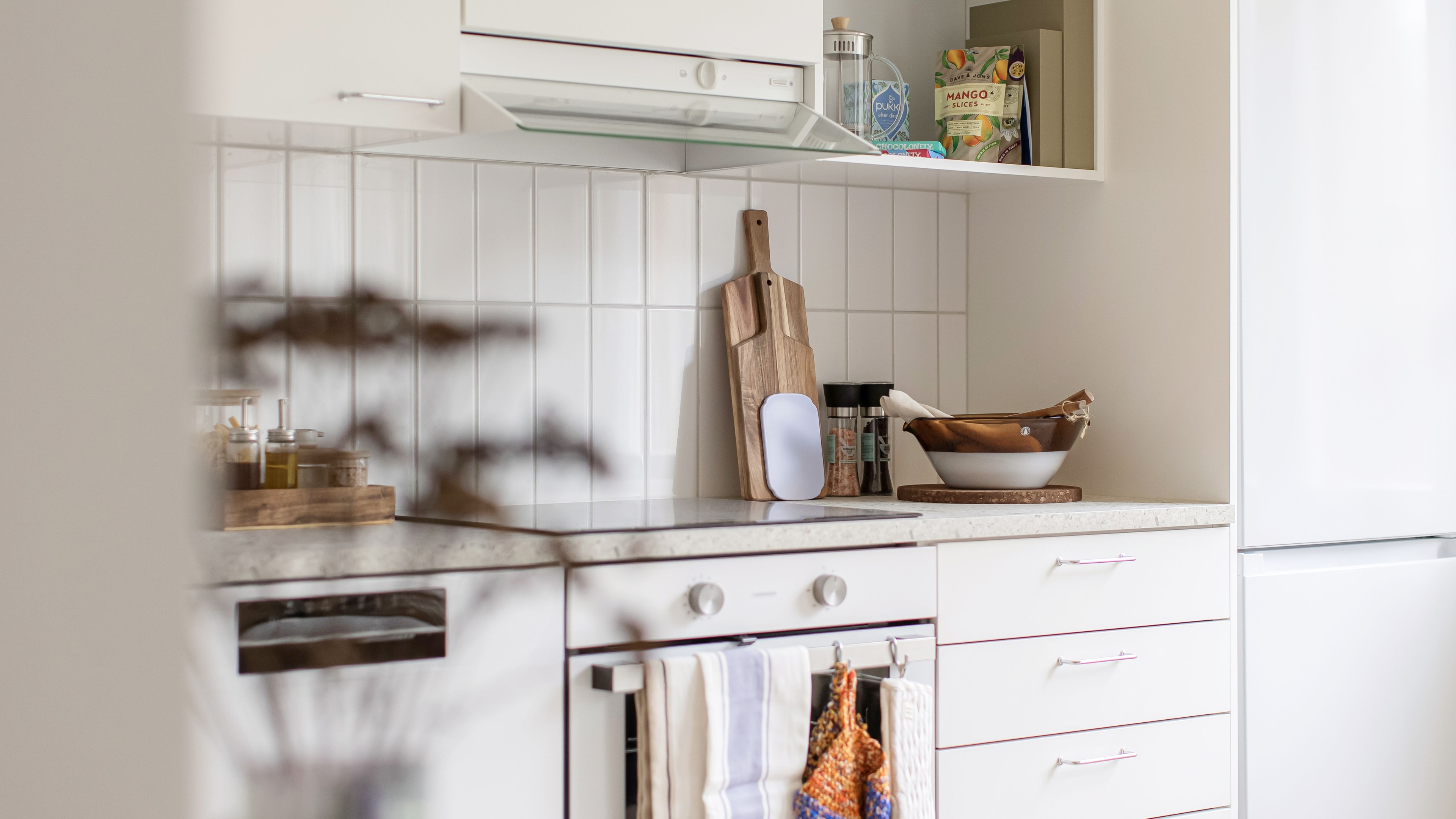
This year’s theme focuses on preventing cooker fires and keeping an eye on the stove while cooking. Even small things in the kitchen can affect safety: the stove may accidentally be left on, a kitchen towel may be placed too close to a hot hob, or cooking may be interrupted as our attention shifts elsewhere. That is why it is important to stay close to the stove while cooking and make sure there are no flammable items on or around it.
When safe habits become part of everyday life, many dangerous situations can be prevented before they occur. We have put together some essential tips to help you check your home's fire safety and make everyday life even safer.

1. Never leave the stove unattended
Stay in the kitchen while cooking and keep an eye on your food. Be particularly careful when heating oil or other fats, as they can catch fire very quickly. Turn off the stove if you leave the kitchen, and always check that both the stove and oven are switched off after cooking.
2. Keep flammable items away from the stove
Do not store kitchen towels, paper towels or other easily flammable materials next to or on top of the stove. Keep the surrounding area tidy to prevent items from accidentally ending up on hot hobs.
3. Clean your cooker hood regularly
Grease accumulating in the cooker hood filter increases the risk of fire. Clean the grease filter regularly according to the manufacturer's instructions. Metal grease filters can usually be washed in the dishwasher or with hot water and washing-up liquid.
4. Use electrical appliances safely
Make sure that kitchen appliances and their power cords are in good condition. Never use faulty appliances, and ensure there is enough space around them for proper ventilation. Always follow the manufacturer's instructions.
5. Make sure your smoke alarms are working
Test your smoke alarms regularly and make sure their batteries are in good condition. A working smoke alarm detects smoke and provides an early warning of danger. Report any faults you notice to the property maintenance company. In most cases, this can easily be done using the [online fault report form](https://www.colliersasunnot.com/vikailmoitus).
6. Keep a fire blanket in your kitchen
A fire blanket is an essential piece of safety equipment in the kitchen, as it can be used to smother a small fire, such as a grease fire. Remember that a grease fire must never be extinguished with water, as water can cause the fire to spread rapidly. A grease fire should be smothered with a fire blanket, and the power to the stove should be switched off first.
7. Remember to have home insurance
Accidents can happen despite taking precautions. Having valid home insurance helps protect your financial situation in the event of a fire. Check that your insurance coverage is appropriate for your current circumstances and the value of your belongings.
Fire safety at home is built on small, everyday actions. By planning ahead and taking care of a few important things, you can prevent many dangerous situations. Please also go through fire safety practices with everyone living in your home, so that everyone knows how to prevent fires and what to do in an emergency. Let's work together to keep our homes safe!